
50 years of the OECD Guidelines: Contributions, limitations, and what is needed next
Recommendations for the OECD and member governments on the future implementation of the Guidelines

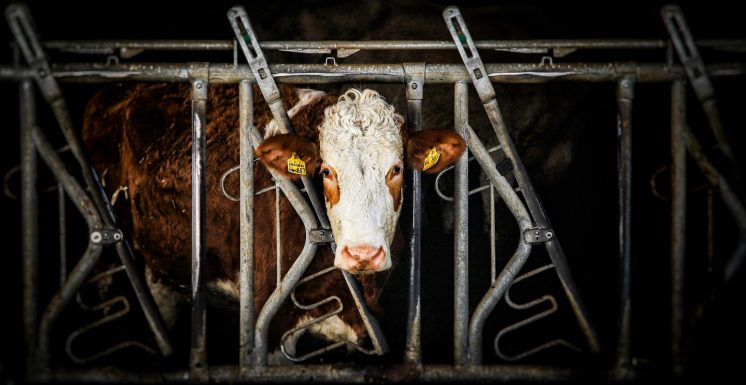

We help civil society use the OECD Guidelines’ provisions on environment, biodiversity, and animal welfare to fight corporate harm to animals and encourage better policy and practice.
We helped civil society bring some of the first complaints to NCPs raising concerns about animal welfare under the Guidelines, and continue to support access to remedy for animal welfare claims.
OECD Watch advocated successfully for the inclusion of animal welfare standards in the 2023 update to the OECD Guidelines, helping strengthen recognition of corporate responsibilities towards animals. We will continue to encourage integration of animal welfare considerations into future OECD policymaking, and support knowledge building on this topic for NCPs and governments.
As OECD Watch tracks the development of responsible business conduct law and policy, we will look for ways to advance the integration of animal welfare standards.

The OECD Guidelines recognise respect for animal welfare as part of responsible business coduct and call on companies to respect animal welfare standards consistent with the World Organisation for Animal Health (WOAH) Terrestrial Code. Companies should:
The Guidelines define good animal welfare as animals being free from unpleasant states such as pain, fear and distress, while being able to express behaviours important to their physical and mental wellbeing.
We encourage civil society to explore how the Guidelines’ environmental and biodiversity provisions can support broader interpretations of companies’ responsibilities to prevent and address harm to animal welfare.
Want to learn more about OECD Watch’s work on this issue? Get in touch with us to find out more about our advocacy and resources, or to discuss how the OECD Guidelines can support your work. Reach out directly.
Get a practical overview of what the OECD Guidelines say about animal welfare. Available in:


See complaints in which animal welfare issues have been raised by civil society.

The OECD Guidelines provide civil society with a framework for engaging companies, governments and other decision-makers on responsible business conduct. You can use the Guidelines to:
Help communities and other affected people understand the standards companies are expected to meet and the rights and protections they can demand.
Use the Guidelines to talk to companies about their impacts and demand that they prevent, address and remedy harm.
Use the Guidelines to advocate for strong laws, policies and corporate practices that protect people and the planet and hold companies accountable.
When a company falls below the standards in the Guidelines, you can bring a complaint to an NCP and seek accountability and remedy.
How companies should prevent and address environmental harm through responsible business practices and due diligence.
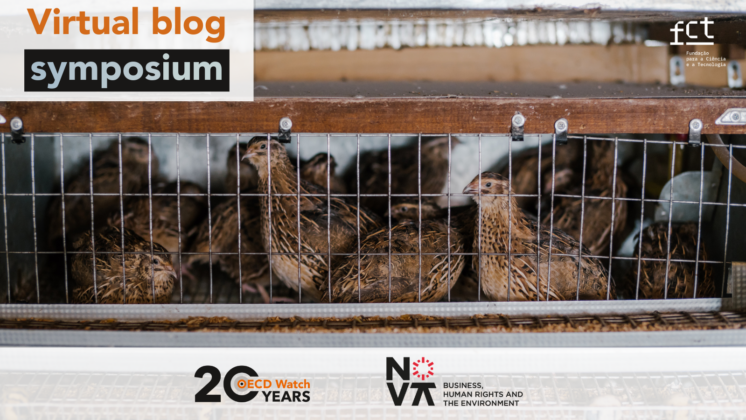
By Michelle Baxter Wickham, Katie Arth, and Sophie Aylmer Blog symposium co-organised by OECD Watch and NOVA School of Law Earlier this year, the updated OECD Guidelines for Multinational Enterprises on Responsible Business Conduct…