
50 anos das Diretrizes da OCDE: contribuições, limitações e o que é necessário a seguir
Recomendações à OCDE e aos governos dos países membros sobre a implementação futura das Diretrizes




We are helping civil society use the Guidelines to advocate for more corporate tax transparency and responsible tax payment.
We have helped civil society challenge tax avoidance through NCP complaints. We will continue to support access to remedy for the human rights and environmental harms stemming from tax avoidance.
We have pushed for stronger language on responsible tax practices in the OECD Guidelines and will continue to promote this in future relevant policy discussions.
We seek to foster recognition in wider standard setting of the nexus between irresponsible tax practices and harm to human rights and the environment.

The OECD Guidelines expect companies to take a responsible approach to taxation. Companies should:
Want to learn more about OECD Watch’s work on this issue? Get in touch with us to find out more about our advocacy and resources, or to discuss how the OECD Guidelines can support your work. Reach out directly.
Get a practical overview of what the OECD Guidelines say about taxation. Available in:


See complaints in which taxation issues have been raised by civil society.

The OECD Guidelines provide civil society with a framework for engaging companies, governments and other decision-makers on responsible business conduct. You can use the Guidelines to:
Help communities and other affected people understand the standards companies are expected to meet and the rights and protections they can demand.
Use the Guidelines to talk to companies about their impacts and demand that they prevent, address and remedy harm.
Use the Guidelines to advocate for strong laws, policies and corporate practices that protect people and the planet and hold companies accountable.
When a company falls below the standards in the Guidelines, you can bring a complaint to an NCP and seek accountability and remedy.


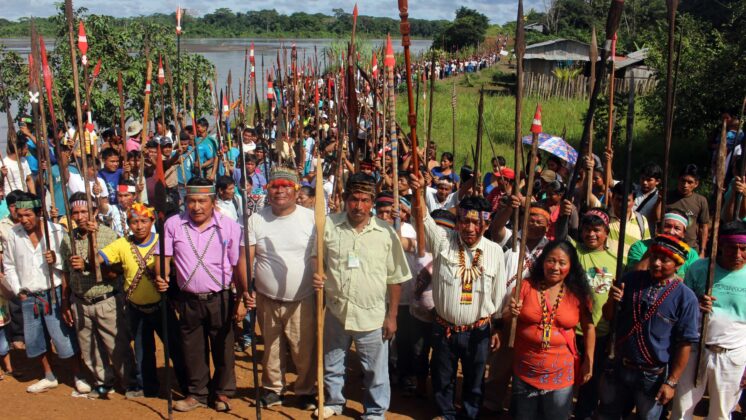
On the 20th of April 2021, the Dutch NCP accepted a complaint filed by Peruvian Indigenous groups against oil multinational Pluspetrol. It is the first time a complaint against a “letterbox” company has been declared…