Estado da Remedy 2025
Análise anual das queixas de Pontos de Contacto Nacionais lideradas pela comunidade e por ONG concluídas em 2025

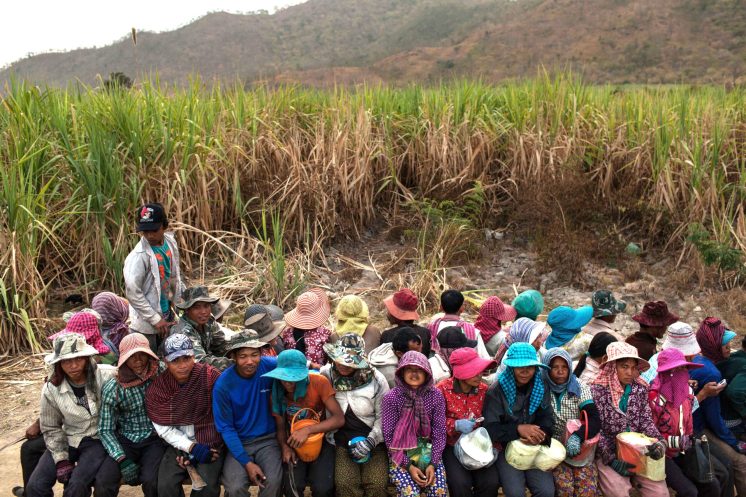 Photo: Equitable Cambodia
OECD Watch strengthens access to remedy for people and communities affected by business activities. We help civil society organisations use the OECD Guidelines and the NCP complaints process strategically to seek accountability and remedy, and advocate for NCPs to play their full role in facilitating meaningful remedy outcomes.
Our step-by-step complaints guide provides practical advice to civil society on how to file effective and strategic complaints and use the NCP process as part of a broader strategy for achieving remedy. We also provide tailored advice to civil society and community complainant groups throughout the complaint process.
We fight to continuously strengthen expectations for NCPs on ensuring a legitimate complaints process. We publicly measure NCP performance to help galvanise individual and systemic reforms. We also centre remedy in our OECD policy advocacy calling for both stronger standards for companies to remediate harm and clearer expectations for governments to facilitate access to remedy.
We are working to ensure that national and regional laws and policies on corporate accountability clearly underscore the corporate responsibility to remediate.

The OECD Guidelines expect companies to:
The Guidelines also give National Contat Points (NCPs) an important role in helping parties reach outcomes that are consistent with the Guidelines, including addressing past harms where appropriate.
Remedy can take many forms, depending on the harm and the needs and wishes of those affected. It can include measures such as compensation, restitution, rehabilitation, guarantees of non-repittion, apologies or other measures to repair harma nd prevent it from happening again.
Want to learn more about OECD Watch’s work on this issue? Get in touch with us to find out more about our advocacy and resources, or to discuss how the OECD Guidelines can support your work. Reach out to us directly.

Está a planear apresentar uma reclamação junto de um Ponto de Contacto Nacional (PCN)? O nosso guia passo a passo explica o que deve ter em conta, como funciona o processo e como preparar uma reclamação eficaz ao abrigo das Linhas Diretrizes da OCDE.

Our annual State of Remedy reports analyse NCP complaint outcomes, identify where NCPs and companies are falling short, and track trends and developments.
Get a practical overview of what the OECD Guidelines say about remedy. Available in:


The OECD Guidelines provide civil society with a framework for engaging companies, governments and other decision-makers on responsible business conduct. You can use the Guidelines to:
Help communities and other affected people understand the standards companies are expected to meet and the rights and protections they can demand.
Use the Guidelines to talk to companies about their impacts and demand that they prevent, address and remedy harm.
Use the Guidelines to advocate for strong laws, policies and corporate practices that protect people and the planet and hold companies accountable.
When a company falls below the standards in the Guidelines, you can bring a complaint to an NCP and seek accountability and remedy.
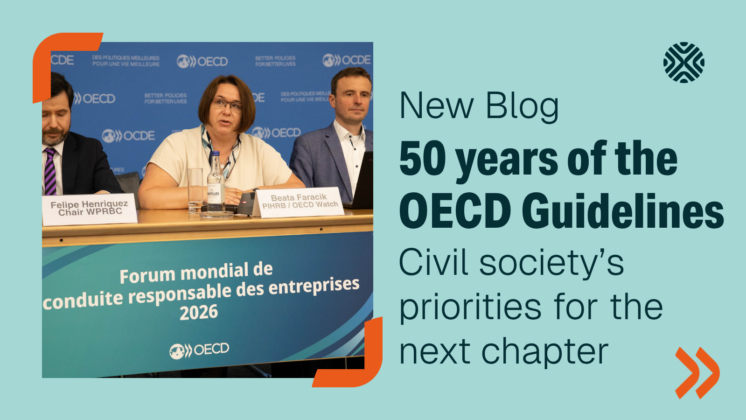
Last week, OECD Watch joined governments, businesses, trade unions and civil society from around the world in Paris for the OECD’s Responsible Business Conduct Week, marking the 50th anniversary of the OECD Guidelines for Multinational…