50 years of the OECD Guidelines: Contributions, limitations, and what is needed next
Recommendations for the OECD and member governments on the future implementation of the Guidelines

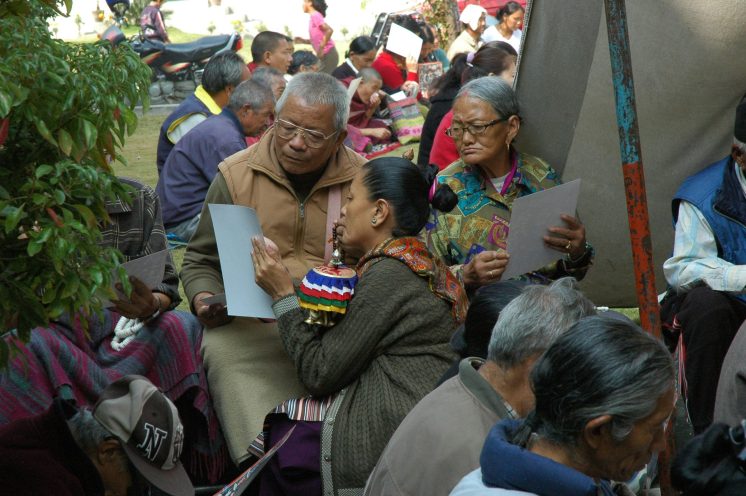

OECD Watch advocates for meaningful stakeholder engagement as a core expectation for businesses and governments too, when they develop business policy affecting people’s rights and environments. Meaningful engagement is central to many areas of OECD Watch’s work, including due diligence, human rights, Indigenous Peoples’ rights, land rights, workers’ rights, policy coherence and just transition.
Many business harms arise because of failure to meaningfully engage the people impacted. We help complainants highlight gaps in rightsholder engagement to demand better practice moving forward.
We challenge processes that exclude, silence or disadvantage affected people. Building on stronger engagement standards we won in the latest revision of the Guidelines, we’re now calling on the OECD to clarify expectations for companies to respect participation, consultation and consent rights, particularly for Indigenous Peoples, workers and communities facing heightened risks.
We focus on stakeholder engagement when calling for stronger national and regional law and policy on corporate conduct. We’re also demanding that the OECD and governments lead by example by themselves engaging civil society and rightsholders meaningfully when developing RBC policy. We highlight where companies and governments miss the mark.

The OECD Guidelines expect companies to meaningfully engage with stakeholders and their legitimate representatives where their activities may significantly impact them. Companies should:
Meaningful engagement should inform companies’ decisions and due diligence. It is more than providing information or asking for feedback after key decisions have already been made.
Want to learn more about OECD Watch’s work on this issue? Get in touch with us to find out more about our advocacy and resources, or to discuss how the OECD Guidelines can support your work. Reach out directly.
Get a practical overview of what the OECD Guidelines say about stakeholder engagement. Available in:


Explore complaints where meaningful stakeholder engagement was raised as an issue in civil society-led complaints.

The OECD Guidelines provide civil society with a framework for engaging companies, governments and other decision-makers on responsible business conduct. You can use the Guidelines to:
Help communities and other affected people understand the standards companies are expected to meet and the rights and protections they can demand.
Use the Guidelines to talk to companies about their impacts and demand that they prevent, address and remedy harm.
Use the Guidelines to advocate for strong laws, policies and corporate practices that protect people and the planet and hold companies accountable.
When a company falls below the standards in the Guidelines, you can bring a complaint to an NCP and seek accountability and remedy.
How companies should use a gender lens to identify and address the distinct impacts of their activities on women and LGBTQI+ people.
How companies can respect human rights, prevent harm and provide or contribute to remedy when harms occur.
How companies should respect human rights defenders and prevent and remedy reprisals against those who speak out.
How companies should respect Indigenous Peoples’ rights, including collective rights to culture, self-determination, and free, prior and informed consent.
How companies should prevent harm to people’s land, housing and tenure rights and respect legitimate land rights.
How companies should respect workers’ rights across their operations and value chains, including freedom of association and collective bargaining.

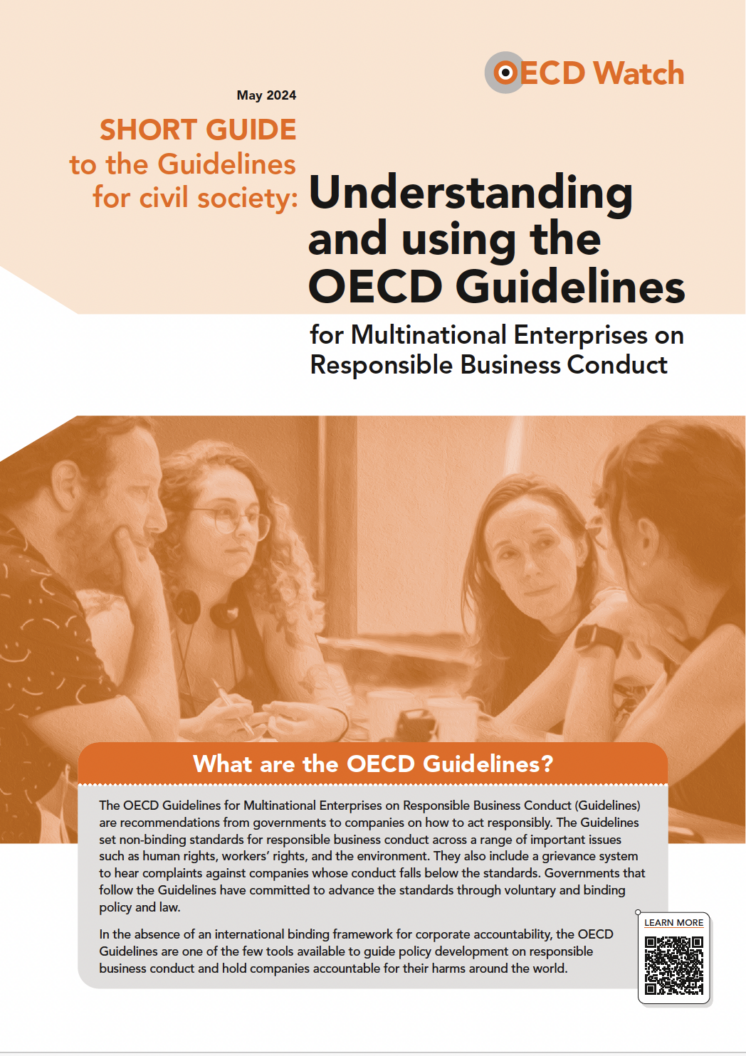
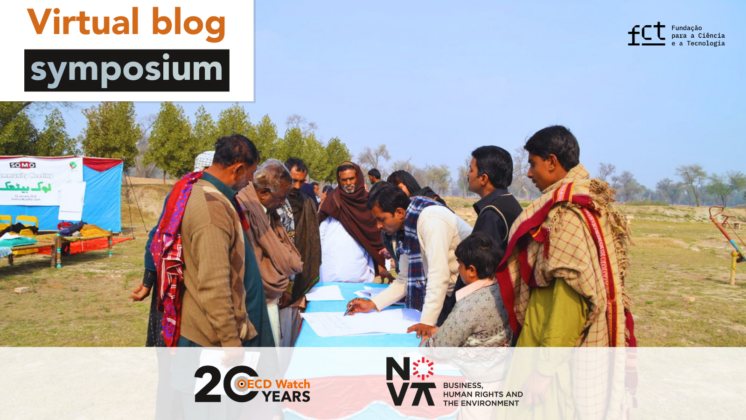
By Caroline Omari Lichuma Blog symposium co-organised by OECD Watch and NOVA School of Law 12 years since the entry into force of the 2011 OECD Guidelines for Multinational Enterprises, (the 2011 Guidelines), a much-anticipated…