
50 years of the OECD Guidelines: Contributions, limitations, and what is needed next
Recommendations for the OECD and member governments on the future implementation of the Guidelines

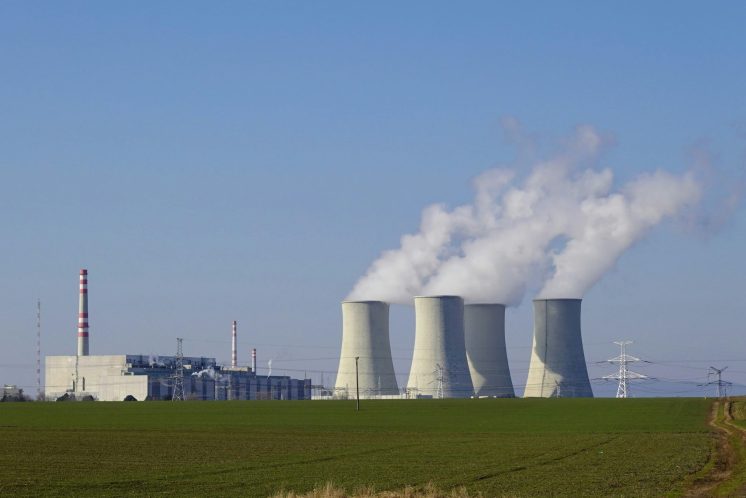

OECD Watch advocates for climate-related corporate accountability standards that are ambitious, science-based and consistent with human rights and environmental protection. Our work on climate is integrated across other workstreams such as on just transition, remedy, and human rights.
Complainants are increasingly using the NCP complaint system to target corporations’ climate harms. We advise and track these complaints to galvanize both local remedies and systemic change.
Building on the important new climate expectations we helped win in the latest revision of the Guidelines, we are pushing for further ambitious standards and guidance on what companies and governments must do to avoid the climate crisis.
Using the Guidelines’ standards as a tool, we are calling on governments to use law and policy to ensure corporations address emissions across their whole value chains. We’re urging governments to meet their own climate due diligence duty by establishing strong and coherent rules that drive meaningful climate action.

The OECD Guidelines refer to the Paris Agreement and expect companies to address both climate change mitigation and adaptation. Companies should:
Climate action should also be consistent with companies’ wider responsibilities under the Guidelines. Cutting emissions should not create new harms to people or the environment, and companies should meaningfully engage with people affected by their transition plans and activities.
Want to learn more about OECD Watch’s work on this issue? Get in touch with us to find out more about our advocacy and resources, or to discuss how the OECD Guidelines can support your work.
You can also join our civil society working group on the just transition to connect with organisations working on this issue, exchange knowledge, and contribute to collective advocacy. Reach out to us directly.

Our practical guide helps civil society use the OECD’s paper on responsible business conduct for the just transition in advocacy and accountability efforts.

See complaints in which climate issues have been raised by civil society.

The OECD Guidelines provide civil society with a framework for engaging companies, governments and other decision-makers on responsible business conduct. You can use the Guidelines to:
Help communities and other affected people understand the standards companies are expected to meet and the rights and protections they can demand.
Use the Guidelines to talk to companies about their impacts and demand that they prevent, address and remedy harm.
Use the Guidelines to advocate for strong laws, policies and corporate practices that protect people and the planet and hold companies accountable.
When a company falls below the standards in the Guidelines, you can bring a complaint to an NCP and seek accountability and remedy.
How businesses should support a transition to sustainable economies that protects people, workers and communities.
How companies should prevent and address environmental harm through responsible business practices and due diligence.
How companies should respect human rights, prevent harm and provide or contribute to remedy when harms occur.
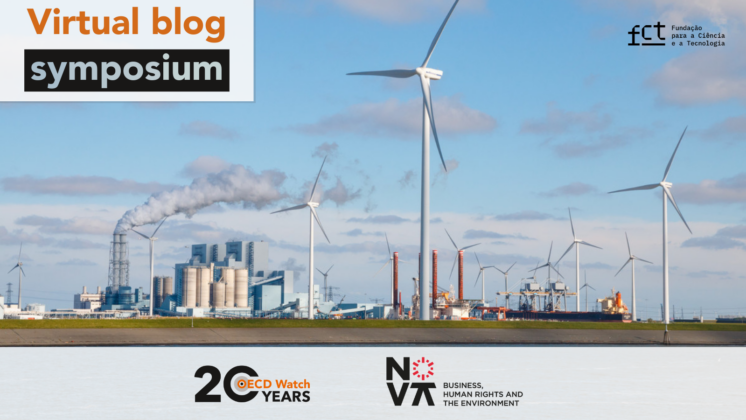
By Janneke Bazelmans and Isabelle Geuskens Blog symposium co-organised by OECD Watch and NOVA School of Law In the midst of the climate crisis, urgent action is paramount. We are in a race against…
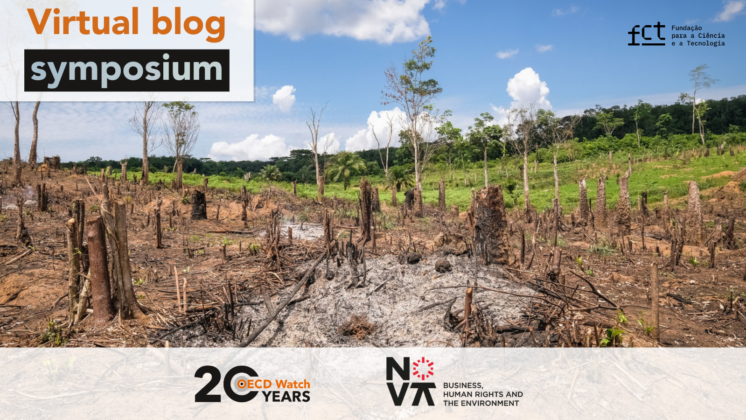
By Chiara Macchi Blog symposium co-organised by OECD Watch and NOVA School of Law The 2023 edition of the OECD Guidelines for Multinational Enterprises on Responsible Business Conduct mark a significant step forward in…