50 years of the OECD Guidelines: Contributions, limitations, and what is needed next
Recommendations for the OECD and member governments on the future implementation of the Guidelines

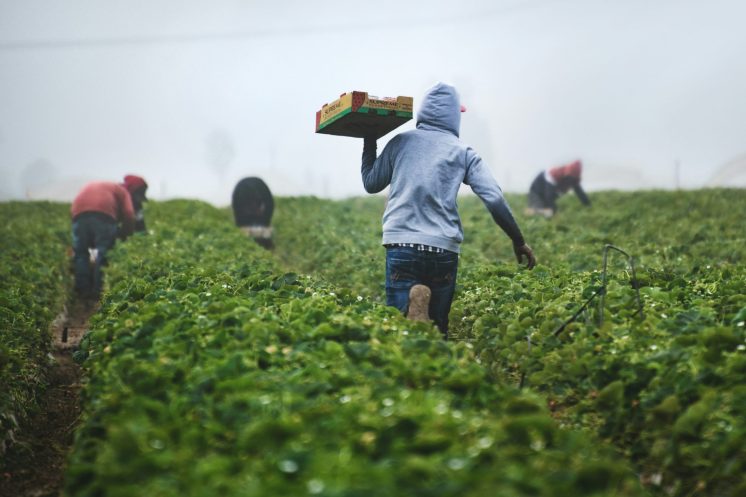

OECD Watch seeks stronger rules and accountability for businesses to respect human rights. Explore our work on connected rights issues below.
The majority of community and civil society NCP complaints highlight human rights violations. We help complainants craft complaints strategically to pursue remedy and justice.
Protecting human rights is a thread throughout all of our policy advising at the OECD. We promote business, investment, and development models that protect human rights, share benefits equitably, and include impacted people as decision-makers.
We support civil society engaging at national, regional, and multilateral levels to ensure laws and standards on corporate conduct embed a commitment to respect all internationally-recognised human rights.

The OECD Guidelines expect companies to:
Where harm occurs, companies should take steps to cease or prevent it, mitigate its impacts and provide or cooperate in remedy where appropriate. The Guidelines also make clear that companies should not retaliate against or tolerate reprisals against people who raise concerns about their activities.
Want to learn more about OECD Watch’s work on this issue? Get in touch with us to find out more about our advocacy and resources, or to discuss how the OECD Guidelines can support your work. Reach out directly.
Get a practical overview of what the OECD Guidelines say about human rights. Available in:

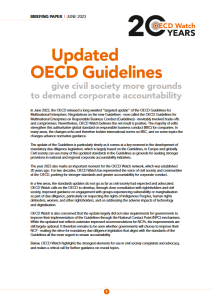
OECD Watch is calling for stronger guidance to ensure companies meaningfully engage stakeholders – especially affected rightsholders and marginalised groups.

See complaints in which human rights concerns have been raised by civil society.

The OECD Guidelines provide civil society with a framework for engaging companies, governments and other decision-makers on responsible business conduct. You can use the Guidelines to:
Help communities and other affected people understand the standards companies are expected to meet and the rights and protections they can demand.
Use the Guidelines to talk to companies about their impacts and demand that they prevent, address and remedy harm.
Use the Guidelines to advocate for strong laws, policies and corporate practices that protect people and the planet and hold companies accountable.
When a company falls below the standards in the Guidelines, you can bring a complaint to an NCP and seek accountability and remedy.
How companies should use a gender lens to identify and address the distinct impacts of their activities on women and LGBTQI+ people.
How companies should respect human rights defenders and prevent and remedy reprisals against those who speak out.
How companies should respect Indigenous Peoples’ rights, including collective rights to culture, self-determination, and free, prior and informed consent.
How companies should prevent harm to people’s land, housing and tenure rights and respect legitimate land rights.
How meaningfulengagement can ensure affected people have a voice in decisions that impact them.
How companies should respect workers’ rights across their operations and value chains, including freedom of association and collective bargaining.
OECD Watch has joined over 100 human rights and environmental organisations – including Indigenous Peoples’ and Afro-descendant peoples’ representative organisations – from more than 55 countries in sending an Open Letter to members of the…


As G20 employment and education ministers meet today in Geneva, OECD Watch and civil society organizations around the globe are calling on the G20 to implement key policy recommendations in relation to responsible business conduct…
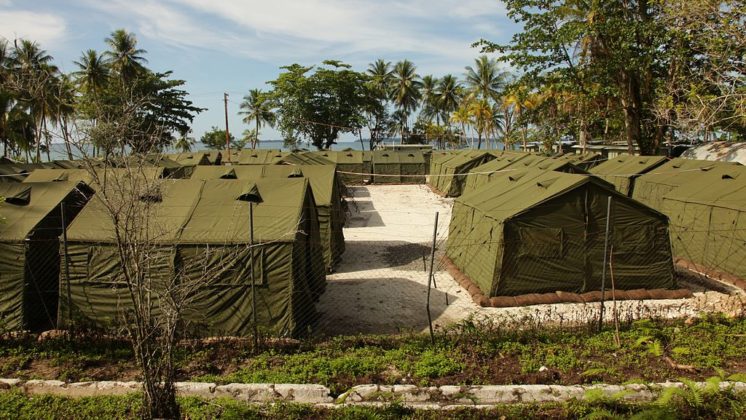
Today, the OECD Watch network has submitted the first-ever appeal to the OECD’s Investment Committee challenging the Australian National Contact Point’s (NCP) handling of a complaint filed against the security firm G4S Australia Pty Ltd,…