Indigenous Peoples’ Rights

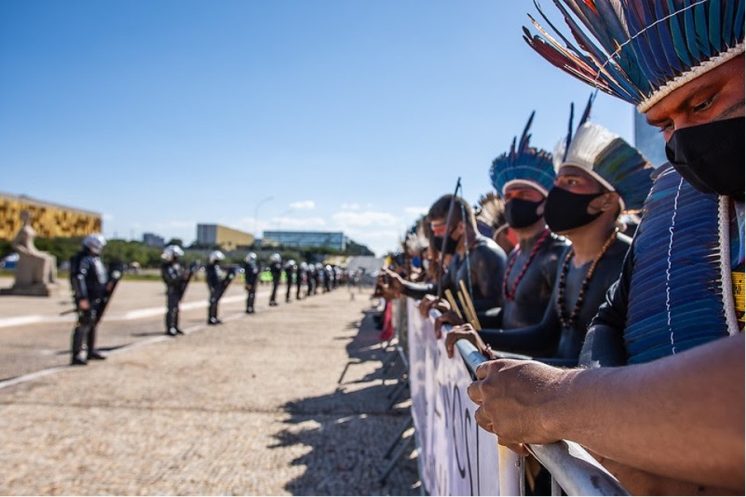
Business activities can have profound impacts on Indigenous Peoples and their lands, territories, cultures and livelihoods. We’re working with Indigenous partners and member organisations to strengthen the OECD’s standards and engagement on Indigenous Peoples rights.

Our work on Indigenous Peoples’ rights

OECD Watch is advancing recognition of Indigenous Peoples rights in responsible business conduct – and opening doors to direct engagement at the OECD by Indigenous People.

What the OECD Guidelines say

The OECD Guidelines refer to the United Nations Declaration on the Rights of Indigenous Peoples (UNDRIP) and recognise the need for companies to take account of the distinct and intersecting risks faced by Indigenous Peoples. Companies should:

  • Respect Indigenous Peoples’ human rights and avoid causing or contributing to harm, including harm to their lands, cultures, livelihoods and ways of life.
  • Respect the right to free, prior and informed consent (FPIC), and use due diligence to prevent and address impacts on Indigenous Peoples.
  • Meaningfully engage with affected Indigenous Peoples throughout due diligence, removing barriers to participation and ensuring engagement is timely, accessible, safe, two-way and in good faith.
  • Use their influence to prevent or mitigate harms that are directly linked to their operations, products or services through business relationships.
  • Prevent and address reprisals against Indigenous Peoples who speak out about business activities.
  • Take account of the collective nature of Indigenous Peoples’ rights and the distinct risks they may face.

Get involved

Want to learn more about OECD Watch’s work on this issue? Get in touch with us to find out more about our advocacy and resources, or to discuss how the OECD Guidelines can support your work. Reach out directly.

Related resources

Indigenous Peoples’ rights factsheet

Get a practical overview of what the OECD Guidelines say about Indigenous Peoples’ rights. Available in:

English

Arabic

French

Spanish

Portuguese

Thai

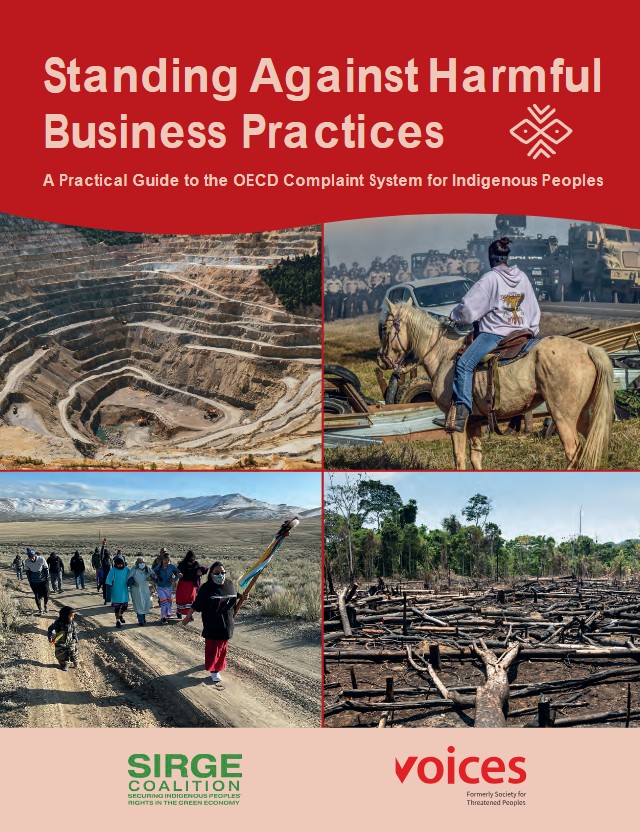
Indigenous Peoples’ Guide to NCP Complaints

OECD Watch has worked closely with Indigenous partners to help develop a guide to help Indigenous Peoples understand the NCP complaint system and use it effectively.

Read the guide

Related NCP complaints 

Explore complaints where Indigenous Peoples’ rights were raised as an issue filed by civil society.

Review related complaints

How to use the Guidelines

The OECD Guidelines provide civil society with a framework for engaging companies, governments and other decision-makers on responsible business conduct. You can use the Guidelines to:

read more

Connected issues

Gender

How companies should  use a gender lens to identify and address the distinct impacts of their activities on women and LGBTQI+ people.

Human rights

How companies can respect human rights, prevent harm and provide or contribute to remedy when harms occur.

Human rights defenders

How companies should respect human rights defenders and prevent and remedy reprisals against those who speak out.

Land rights

How companies should prevent harm to people’s land, housing and tenure rights and respect legitimate land rights.


Stakeholder engagement

How meaningful engagement can ensure affected people have a voice in decisions that impact them.


Workers’ rights

How companies should respect workers’ rights across their operations and value chains, including freedom of association and collective bargaining.